Enter your feedback modal content here. (Text/HTML/Shortcodes accepted).
Share
The Art & Science of Beekeeping is a unique two-day course covering everything you need to know to begin your beekeeping experience.
Course numbers are kept small, usually between 5 and 10, so that no one gets left out, and everyone has a chance to take apart and inspect a hive. We’ll show you how to do this and what to look for in regards to pests and diseases. Experiencing bees first hand gives you a chance to gain confidence and get used to handling them.
The course goes from 10 am to 4 pm on Saturday and Sunday. It’s fully immersive combining practical instruction and hands-on beekeeping. The course instructor, Michael, has been keeping bees for more than 20 years. He is a commercial honey producer and business owner of Bindaree Bee Supplies and Win’s Creek Meadery.
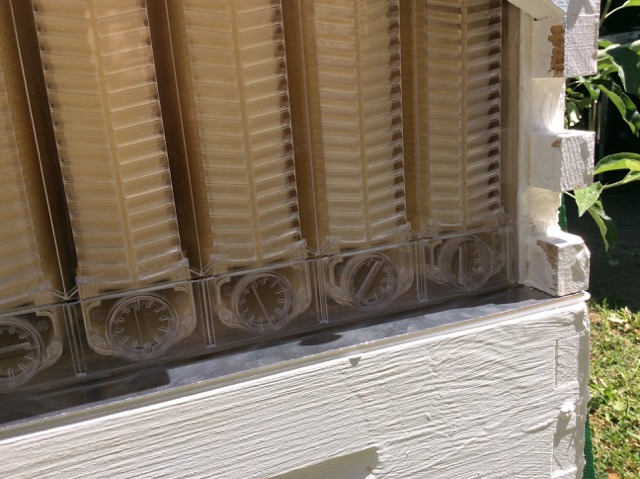
In the morning of both days, we’ll cover the Science part of the course including the biology and behaviour of these fascinating creatures. We’ll look at the different life stages and forms of bees, swarming behaviour, hive structure and organisation. Four different hive systems will be covered: Langstroth, Flow Hive, Top Bar and Warre Hives.
These days, if you want to keep bees, you’ll need to know how to check for and control Varroa mite. The course includes a two hour session on Varroa mite control, explaining the different treatments available, and how and when to use them. We’ll also look at other pests and diseases, including American Foul Brood, hive beetles, and wax moth.
Saturday afternoon, we’ll go up to the workshop where you can build your own hive. This is one of the most rewarding aspects of beekeeping, and can save heaps of money. Building your own hive costs less than half what a fully assembled and painted hive costs, and about one-third the cost of an unassembled flow hive. This quickly adds up if you think you might like to have more than one hive.
There are four different types of timber hives that you might like to build. (I’m not of fan of plastic or polystyrene hives, so we won’t say much about them here.) In this workshop, you can build and take home your own Langstroth or Warre Hive, including the lid, base, boxes and frames. If you have an unassembled Flow Hive, you can bring that, and we’ll show you how to assemble and paint or seal it. We have all the tools, brushes, and paint set up here. We’ll show you how to assemble, wire, and attach beeswax foundations to the frames. If you’re interested in building a top bar hive, we can get you started with plans and design, but there won’t be enough time to build one completely. You can however, build a top bar travelling box, a smaller version of the top bar hive, which can be used for transport or to start a new top bar colony.
Let us know when you book which type of hive you’re interested in. There is no charge for paint, wire, nails, etc., but if you’d like to keep the hive you build there is a cost for the materials.
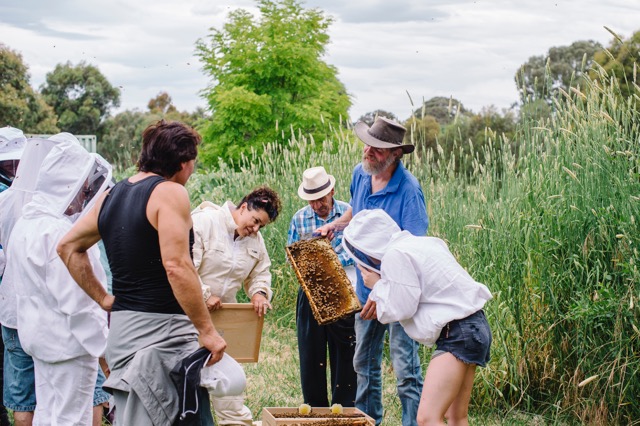
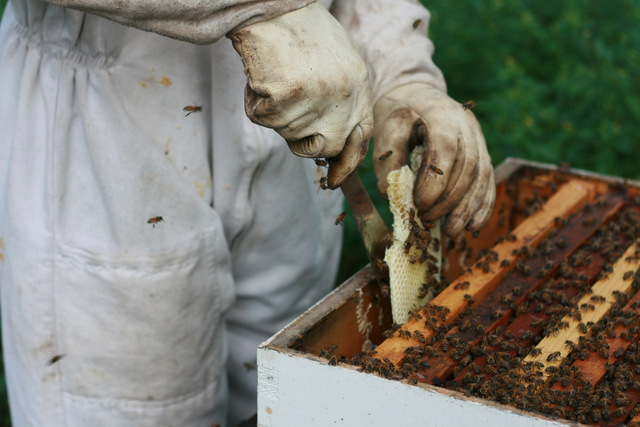
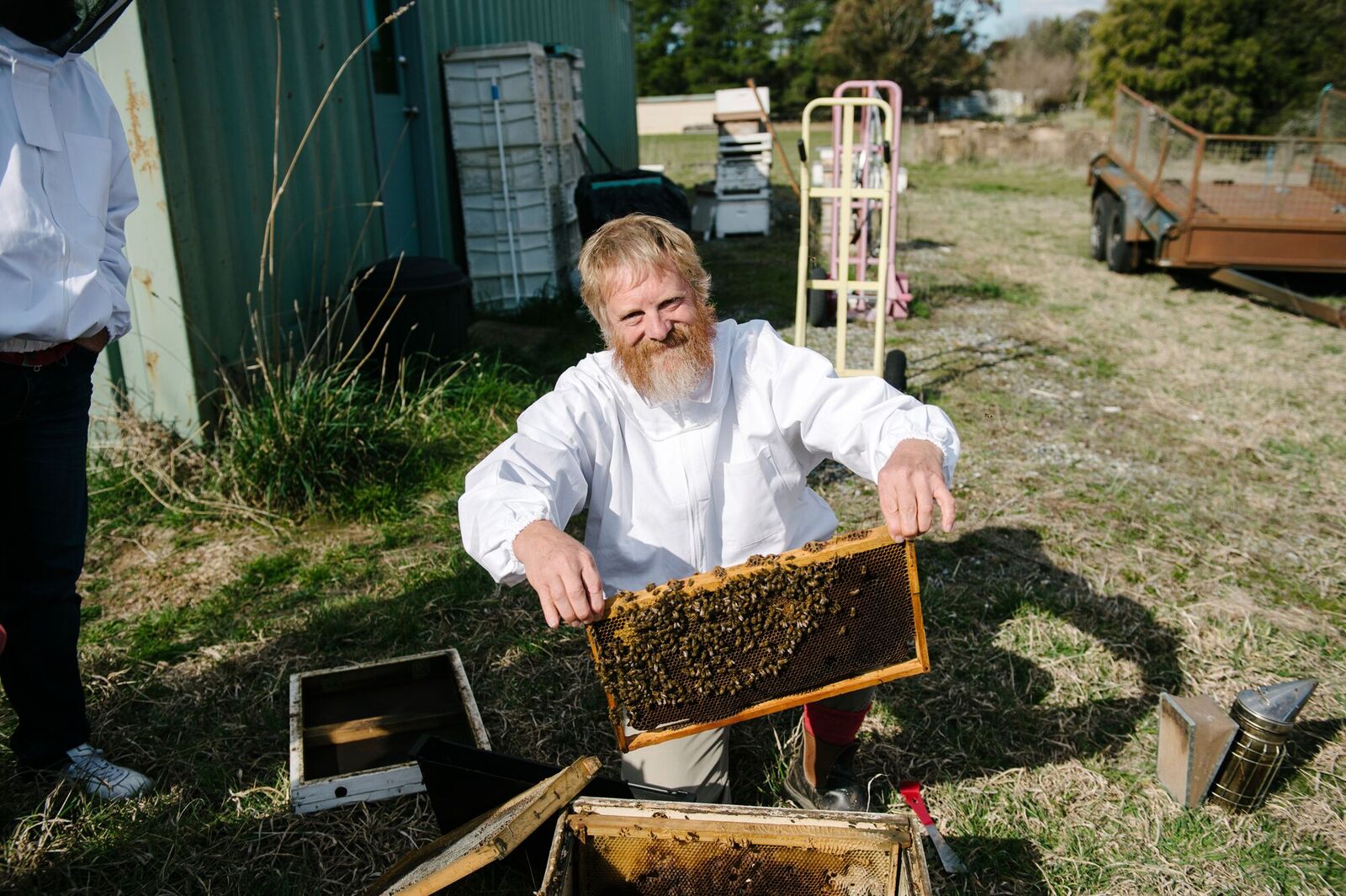
After lunch on Sunday, we will go up to the apiary for the most important part of the course. Everyone will have a chance to take apart a hive, find the queen, check for disease, and do an alcohol wash for Varroa. We’ll discuss hive maintenance and honey harvesting for the different types of hives. If you have any protective clothing you can bring that, otherwise we’ll have suits, gloves, etc. to purchase or borrow. The apiary is located in Murrumbateman about 1 km from the Meadery.
Morning tea, lunch, and mead tasting are included at Win’s Creek Meadery. Please advise us of any dietary preferences.
Murrumbateman is an ideal tourist destination. It’s surrounded by Cool Climate Wine Country and on the doorstep of the Nation’s Capital. Win’s Creek Meadery and Bindaree Bee Supplies are located in the historic Traveller’s Rest Inn, built in 1879.
Course outline is as follows:
Saturday Morning: Science
Evolution of honey bees and flowering plants
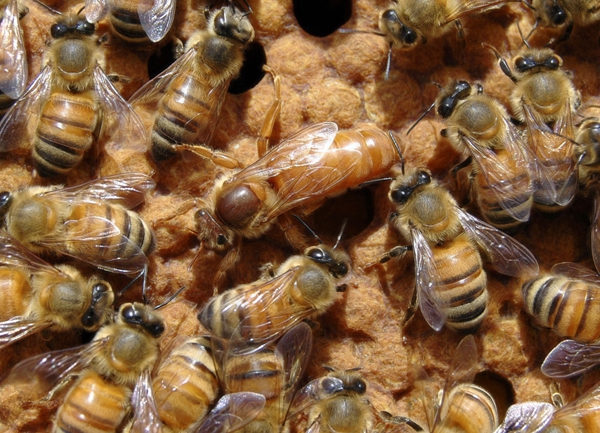
Life stages and forms of honeybees
Queenbees and Drones
Swarming behaviour – How to reduce the risk of swarming and catch them if you find a swarm
The Natural Hive
The Domesticated Hive – What type of hive should I get? We’ll cover Langstroth, Flow, Warre and Top Bar Hives.
Saturday Afternoon: Build Your Own Hive
Let us know what type of hive you’re interested in.
Sunday Morning: Science
Pests & Diseases – Includes Varroa, American Foul Brood, Small Hive Beetle, Wax Moth
Feeding your bees
Bee stings and allergies
Sunday Afternoon: Art
Hands-on Beekeeping Experience
Pest and Disease Inspection. Inspect Langstroth, Flow, Warre and Top Bar hives, in situ.




 Original price was: $1,180.00.$980.00Current price is: $980.00.
 Like us on Facebook